
Seasonal Insights: Preparing Affordable Housing for Florida's Climate


Understanding Florida's Unique Climate Challenges
Florida's climate is renowned for its warmth and humidity, making it a popular destination for many. However, these conditions present unique challenges when it comes to affordable housing. The combination of high temperatures, heavy rainfall, and hurricane threats requires special considerations in housing design and maintenance.
For those involved in developing and maintaining affordable housing, understanding these climatic challenges is crucial. It ensures that homes are not only safe and durable but also comfortable and energy-efficient for residents.
Designing for Durability and Safety
One of the primary concerns in Florida's climate is ensuring that homes are built to withstand the elements. This includes using materials that can resist the corrosive effects of salt air, as well as designing structures that can endure high winds and heavy rains.
Implementing hurricane-resistant features, such as reinforced windows and roofs, is essential. These features may require a higher initial investment but can significantly reduce repair costs and improve safety in the long run.
Materials and Construction Techniques
Choosing the right materials is vital for durability. Concrete, metal, and other robust materials are often preferred in coastal areas due to their resistance to moisture and wind damage. Additionally, modern construction techniques can further enhance a building's resilience.

Energy Efficiency in a Hot Climate
Energy efficiency is a critical consideration in Florida's climate, where high temperatures can lead to soaring energy bills. Affordable housing must incorporate energy-efficient solutions to keep costs manageable for residents.
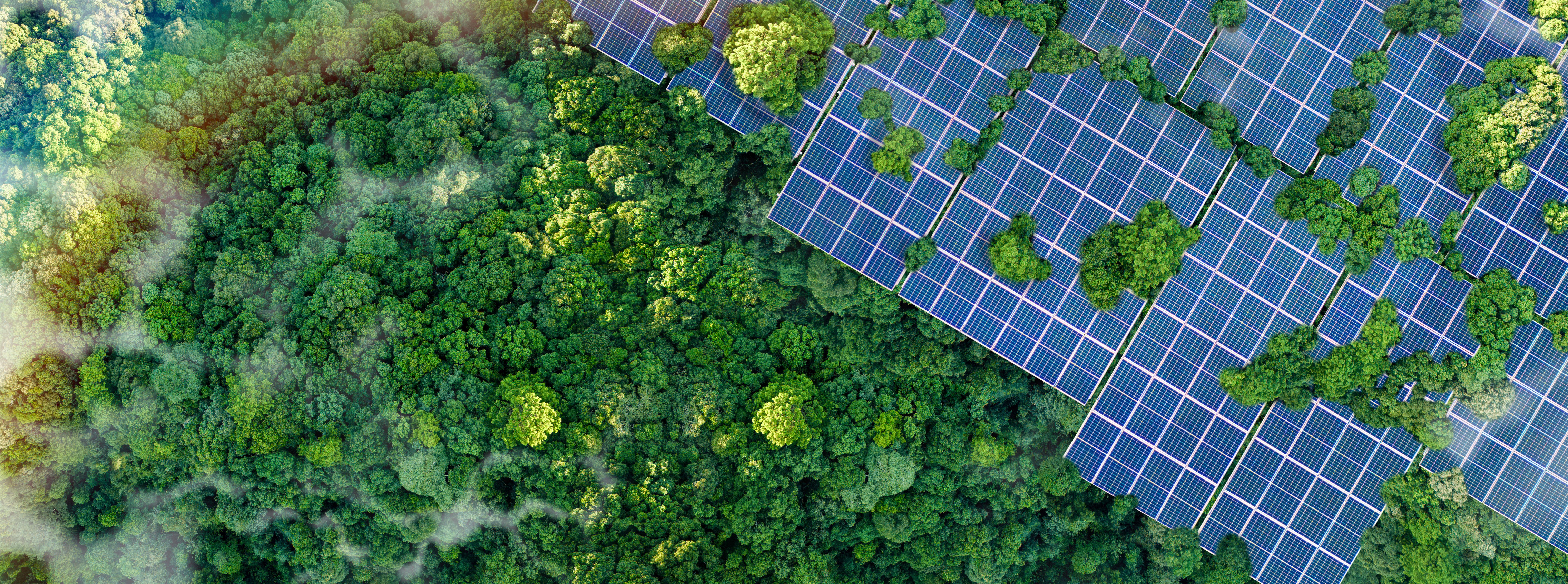
Simple measures such as proper insulation, energy-efficient windows, and reflective roofing materials can significantly reduce cooling costs. Additionally, incorporating solar panels can further offset energy expenses.
Cooling Solutions
Given the high humidity and heat, effective cooling systems are a must. Energy-efficient air conditioning systems, ceiling fans, and strategic shading can help keep homes cool without excessive energy use.
Water Management and Landscaping
Florida's heavy rains necessitate efficient water management systems to prevent flooding and water damage. Proper drainage systems, rain gardens, and permeable pavements are effective strategies to manage water runoff.
Landscaping also plays a vital role. Utilizing native plants that require less water and maintenance can enhance the sustainability and appearance of affordable housing projects.
Eco-Friendly Practices
Implementing eco-friendly practices, such as rainwater harvesting and the use of drought-resistant plants, can further enhance the sustainability of affordable housing. These practices not only benefit the environment but also reduce utility costs for residents.
Community Engagement and Education
Engaging residents in the planning and maintenance of their communities can lead to more sustainable and satisfying living environments. Education on energy-saving practices and home maintenance can empower residents to contribute to the longevity and efficiency of their homes.
Workshops and community meetings can be effective ways to share information and gather feedback, ensuring that the needs of residents are met while enhancing the overall quality of the housing community.