
Top Tips for Managing Affordable Housing Investments in Florida


Understanding the Florida Affordable Housing Market
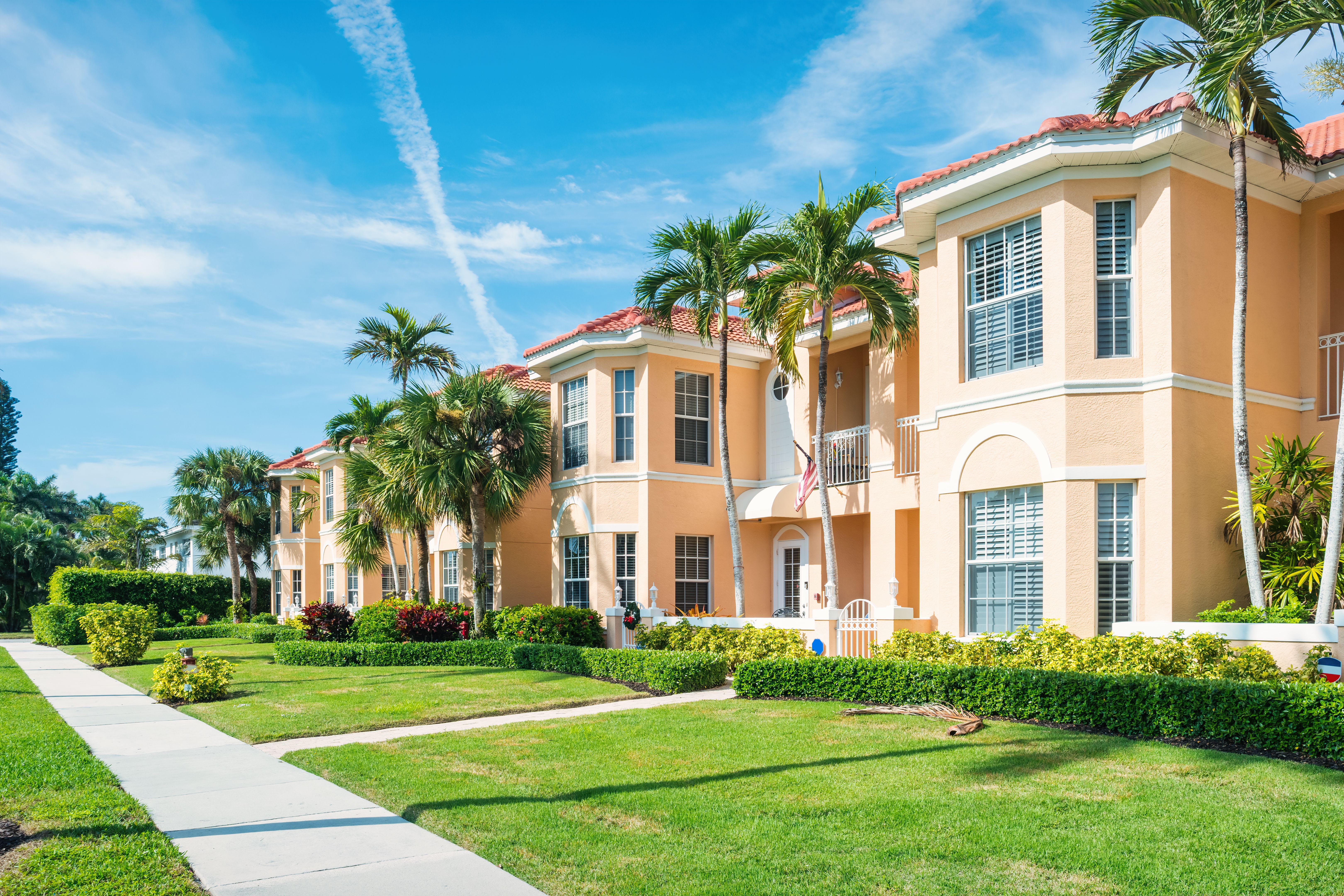
Florida's affordable housing market offers unique opportunities for investors looking to make a positive impact while securing returns. As one of the fastest-growing states, the demand for affordable housing is increasing, presenting both challenges and opportunities for savvy investors.
Research and Location Selection
One of the first steps in managing affordable housing investments is conducting thorough research. Focus on areas with high demand and potential for growth. Florida cities like Miami, Orlando, and Tampa are experiencing rapid population increases, driving the need for affordable housing solutions.
Additionally, consider the local economy, job market, and amenities. Areas with strong economic growth and employment opportunities are often more attractive to potential tenants, ensuring lower vacancy rates.
Understanding Legal and Regulatory Requirements
Investing in affordable housing requires a deep understanding of federal, state, and local laws. Familiarize yourself with programs like the Low-Income Housing Tax Credit (LIHTC) and local incentives that promote affordable housing development. Compliance with these regulations is critical to avoid legal issues and maximize your investment's potential.

Effective Property Management
Successful management of affordable housing properties involves maintaining the property’s condition and ensuring tenant satisfaction. Consider hiring a property management company experienced in affordable housing to handle day-to-day operations, tenant relations, and maintenance.
Implementing regular property inspections and addressing maintenance issues promptly can significantly enhance tenant retention and reduce turnover costs.
Financing and Budgeting Strategies
Securing financing for affordable housing projects can be complex. Explore various funding options, including traditional loans, government programs, and private investors. Develop a comprehensive budget that accounts for acquisition, renovation, and ongoing maintenance costs.

Community Engagement and Support
Building strong relationships with the local community can enhance the success of your affordable housing investment. Engage with local organizations, government agencies, and residents to understand their needs and concerns. This approach not only fosters goodwill but also helps in tailoring your project to better serve the community.
Networking and Partnerships
Forming partnerships with local nonprofits and community groups can provide valuable insights and support. These partnerships can assist in tenant placement and provide resources for tenants, such as job training and educational programs.
Monitoring and Adjusting Investment Strategies
Continuous monitoring of your investment's performance is essential. Track key performance indicators such as occupancy rates, rental income, and maintenance costs. Regularly review and adjust your strategies to align with market changes and tenant needs.

By following these tips and maintaining a proactive approach, investors can successfully manage affordable housing investments in Florida, providing both financial returns and valuable community contributions.